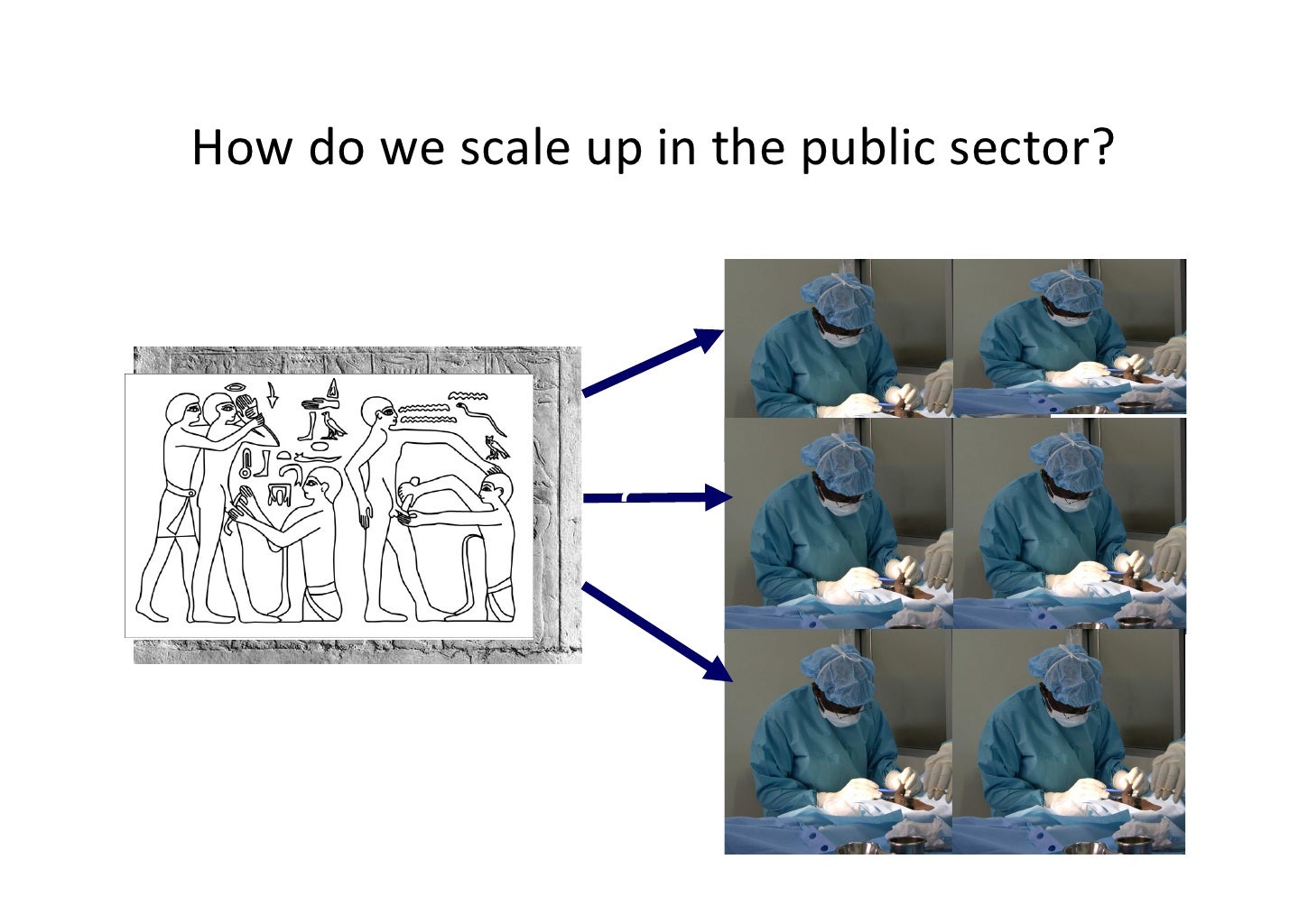
Detailed Description: Voluntary Medical Male circumcision (VMMC) is an effective strategy to reduce the risk of HIV acquisition in heterosexual men. Observational data and randomized controlled trails (RCTs) conducted in Africa (1,2,3) suggest that the procedure reduces the risk of HIV acquisition by % in heterosexual males The research highlights focused on operational research underway at the research sites where the randomized controlled trials were conducted, infant male circumcision studies, and monitoring and evaluation of devices. The Session concluded that findings from such research need to be shared across countries so that all programmes and MC Male Circumcision MCC Male Circumcision Consortium TRAC Plus Treatment Research AIDS, TB and Malaria and other epidemics Strategy developed and approved by government proposal. Phased scale-up plan to reach male circumcision prevalence rate of 80% among years old HIV-negative males by
(PDF) Male circumcision: review and authors perspective | Abdelmonem Hegazy - blogger.com
Try out PMC Labs and tell us what you think. Learn More. wsnu relgeiz, research proposal on male circumcision. To determine whether recent evidence-based United States policies on male circumcision MC apply to comparable Anglophone countries, Australia and New Zealand.
A further PubMed search was performed for articles published in Searches of the EMBASE and Cochrane databases did not yield additional citable articles. The most relevant and representative of the topic were included. Bibliographies were examined to retrieve further key references. A risk-benefit analysis of articles rated for quality was research proposal on male circumcision. For efficiency and reliability, recent randomized controlled trials, meta-analyses, high quality systematic reviews and large well-designed studies were used if available.
Internet searches were conducted for other relevant information, including policies and Australian data on claims under Medicare for MC. Evidence-based policy statements by the American Academy of Pediatrics AAP and the Centers for Disease Control and Prevention CDC support infant and later age male circumcision MC as a desirable public health measure.
Our systematic review of relevant literature over the past decade yielded journal articles that met our inclusion criteria. Our risk-benefit analysis showed that benefits exceeded procedural risks, which are predominantly minor, by up to to 1. We estimated research proposal on male circumcision more than 1 in 2 uncircumcised males will experience an adverse foreskin-related medical condition over their lifetime.
Wide-ranging evidence from surveys, physiological measurements, and the anatomical location of penile sensory receptors responsible for sexual sensation strongly and consistently suggested that MC has no detrimental effect on sexual function, sensitivity or pleasure. United States studies showed that early infant MC is cost saving.
The evidence supporting early infant MC has further strengthened since the positive AAP and CDC reviews. Affirmative MC policies are needed in Australia and New Zealand. Routine provision of accurate, unbiased education, and access in public hospitals, will maximize health and financial benefits. Core tip: Australia and New Zealand should follow the lead of the American Academy of Pediatrics and the United States Centers for Disease Control and Prevention in facilitating education, provider training, patient access research proposal on male circumcision affordability of circumcision of male infants and boys.
Our systematic review of the current scientific evidence finds the protection afforded by early infant male circumcision against infections and other adverse medical conditions exceed risks by to 1 and that over their lifetime over 1 in 2 uncircumcised males will suffer an adverse medical condition caused by their foreskin.
Strong evidence shows no adverse effect on penile function, sexual sensitivity or pleasure. Circumcision is a desirable public health intervention.
It is moreover cost-saving. Early infant male circumcision MC is a simple, safe procedure that was performed in Anglophone countries for much of the 20 th century, research proposal on male circumcision. A substantial downturn in prevalence occurred after in the United Kingdom and in the s in Australia and Canada. In the United States, however, only recently has there been a slight downturn[ 1 ]. Paradoxically such declines were accompanied by an increase in the quantity and quality of medical scientific findings attesting to numerous health and medical benefits.
A decade ago the American Academy of Pediatrics AAP began an extensive review of the accumulated evidence to This led to the formulation and release of a new affirmative early infant MC policy statement in which concluded that, research proposal on male circumcision, based on the evidence: 1 the benefits of early infant MC exceed risks; 2 parents should be given factually correct, nonbiased information on MC before conception or early in a pregnancy; 3 access to MC should be provided routinely for those families who choose it; 4 education and training should be provided to practitioners to enhance their competency; 5 the procedure should be performed by trained competent practitioners using sterile techniques and effective pain management; research proposal on male circumcision 6 the preventive and public health benefits warrant third-party reimbursement[ 2 ].
The American College of Obstetricians and Gynecologists endorsed these recommendations. The American Urological Association has on its website a brief statement that presents benefits and risks of infant MC[ 3 ].
Inafter extensive deliberations stemming from a consultation in in Atlanta with stakeholders[ 4 ], the Centers for Disease Control and Prevention CDC released its draft recommendations on MC[ 5 ].
The basis for its deviation from the AAP and CDC policies was a faulty risk-benefit analysis that failed to include all common conditions that MC protects against and that inflated risk data[ 7 ]. What then has been the response of authorities in other countries outside of North America, especially those with Anglophone populations having socio-cultural roots and current practices similar to the United States?
In this regard, perhaps the most comparable countries are Australia and New Zealand. Australia is the only non-United States country in which an evidence-based policy statement has been produced by the Circumcision Academy of Australia; CAA [ 8 ]. The authors of the policy included fellows of the Royal Australasian College of Physicians RACPas well as fellows of other Colleges and medical bodies.
The conclusions reached were similar to those of the AAP and CDC. By failing to adequately evaluate all of the evidence, research proposal on male circumcision, and selectively citing small low-quality studies, the RACP policy falsely concluded that risks exceed benefits. This has led to a general perception that the RACP is opposed research proposal on male circumcision infant MC.
It may explain the subsequent withdrawal of parent-approved early infant MC and elective MC by men as allowable procedures in Australian public hospitals, as well as a proposal currently being considered by the Australian federal government to abolish the Medicare rebate for MC. Other countries do not have research proposal on male circumcision policy statements. The recent policy statements by the AAP, CDC, CAA and even the CPS have raised the bar, meaning statements by other bodies should now be expected to similarly consider the evidence rather than rely on opinions.
Here we: 1 systematically evaluate the current evidence on MC, research proposal on male circumcision, including findings subsequent to reviews by the AAP and CDC; 2 perform a risk-benefit analysis of early infant MC; and 3 determine whether other countries, in particular the comparable countries Australia and New Zealand, should follow the lead of the United States in translating MC science into policy and practice.
This yielded publications. This yielded more publications. Internet searches were conducted for other relevant information, research proposal on male circumcision, including policies and, in Australia, data on claims under Medicare for MC. Data from RCTs, meta-analyses, large observational studies in the United States and United Kingdom in particular and high quality systematic reviews were compiled and risk reduction conferred by MC was calculated in order to determine individual benefit of the various conditions that MC protects against.
In the case of sexually transmitted infections and genital cancers, the prevalence of these in Australia was taken into account in order to determine risk reduction in the population, research proposal on male circumcision. If data for Australia was not available data for the United States, United Kingdom, Canada or European countries was used.
Findings for each condition were then summated to determine the overall benefit. The percentage of individuals who experience an adverse events arising from infant MC was determined from high quality studies and from this an overall prevalence of these was calculated. We identified journal articles that met our inclusion criteria, including 6 in Another 25 journal articles were identified from the bibliographies of these.
The research proposal on male circumcision also revealed 9 relevant online documents, mostly by authoritative paediatric or medical bodies. Despite MC prevalence having risen in Hispanic males, the greater rise in the Hispanic population as a proportion of the total American population may account in part for a likely fall, research proposal on male circumcision, overall, in MC prevalence in the United States[ 1 ].
Another reason contributing to a decline in MC in the United States is the withdrawal of Medicaid coverage for elective or parent-approved MC by 18 United States states during the past decade[ 16 ]. Medicaid de-funding poses a barrier to access by poor families, a situation criticized by the CDC[ 15 ] and others[ 17 ]. This resembles the withdrawal of access to elective MC in Australian public hospitals starting in The decline in infant MC is likely to have been accelerated, at least in part, by the negative RACP paediatric policy statements from the s onwards.
Australian Medicare claims provide a lower bound for prevalence of MC. Claims data do not capture all religious MCs, nor MCs for which a claim is not made. In the most populous state, New South Wales, Nationwide, claims have stabilized over the past decade at [ 21 ]. For boys aged 0. Medicare only covers MC for treatment of medical conditions, so after adding MCs for parental preference, cosmetic or religious reasons the actual number of procedures will be higher than Medicare figures.
Another large survey similar to those above[ 1819 ] would help provide information on current MC prevalence in males older than 16 years of age.
Publicity about health benefits in recent years and the increase in the number of Muslim families might have contributed to a rise in MC. On the other hand, as in the United States[ 16 ], reduced access and affordability has likely contributed to a decline, especially amongst the poor.
Urinary tract infection UTI : A UTI is an infection that affects part of the urinary tract. Risk reduction continues, however, beyond infancy. The most recent meta-analysis in noted that over the lifetime 1 in 12 circumcised males experience a UTI compared with 1 research proposal on male circumcision 3 uncircumcised males[ 22 ].
Recurrent UTI in particular may lead to renal parenchymal disease[ 2425 ]. While treatment by oral antibiotics can be used for older children and men, an infant with a UTI presents with fever, often leading to blood collection, lumbar puncture, and if UTI is diagnosed, hospitalization to enable intravenous antibiotic administration[ 26 ].
Emergence of resistance to most or all antibiotics, including methicillin, will make treatment of UTI more challenging[ 27 - 29 ], including in Australia[ 30 ]. Swabs taken under the foreskin of boys aged 7 d to 11 years identified 50 bacterial isolates, most of which were multi-drug-resistant strains[ 31 ]. Maternal antibiotic use during pregnancy also increases the risk of resistant pathogens causing early infant UTI[ 32 ]. Phimosis: Phimosis is a penile condition where the foreskin research proposal on male circumcision be fully retracted over the glans penis.
Even though regular application of steroid creams, which may cause undesirable systemic absorption of glucocorticoids, can be used to alleviate this condition, the definitive treatment is MC.
Paraphimosis a condition in which the foreskin cannot be returned after retraction is less common, but when it occurs represents a medical emergency because of haemostasis and risk of gangrene[ 48 ], research proposal on male circumcision. Early infant MC virtually eliminates the risk of lichen sclerosis[ 5355 ].
MC is, moreover, the definitive cure. Hygiene: Hygiene is less easily attained for an uncircumcised penis[ 56 ], research proposal on male circumcision. In the more highly populated east coast states of Australia, MC prevalence increases from south to north[ 20 ], correlating with the greater frequency of inflammatory conditions and skin irritation in an uncircumcised penis in hotter more humid climates. STIs in men: Several STIs are more prevalent in uncircumcised males[ 5758 ].
These include oncogenic types of human papillomavirus HPV [ 59 - 65 ], that are the most common STIs in Australia and New Zealand, just as in the United States, and HSV-2[ 6266 - 69 ] that is also common. There is a disproportionate burden of these STIs among adolescents and young adults[ 66 ].
A similar result was obtained in an earlier meta-analysis[ 65 ]. Other STIs against which MC affords protection include Trichomonas vaginalis [ 77 ], Mycoplasma genitalium [ 78 ], syphilis[ 677980 ], chancroid[ 67 ], genital ulcer disease[ 8182 ] and HIV[ 83 - 90 ].
Coital injuries, which increase risk of HIV infection, are higher in uncircumcised men[ 91 ]. In comparable developed countries in which HIV prevalence is low, the prevalence of heterosexually acquired HIV in those with low MC prevalence the Netherlands and France was 6 times higher in men and 10 times higher in women compared with Israel, a country having a very high MC prevalence[ 92 ].
The increase in HIV infections in African Americans, however, has been faster than in all other groups in the United States[ 97 ]. The CDC has recommended Research proposal on male circumcision for HIV prevention in such groups[ 90 ], research proposal on male circumcision.
Such findings indicate an important public health role for early infant MC in developed countries, research proposal on male circumcision, including Australia and New Zealand[ 9899 ].
It is anticipated that a steep increase in multiple morbidities and drug interactions in aging HIV-infected patients on combination antiretroviral therapy is looming and will lead to a major medical burden[ ], suggesting a flow-on of benefits resulting from the ability of MC to reduce HIV cases. STIs in women: Circumcision of males also partially protects their female sexual partners from oncogenic types of HPV[ 5960], HSV-2[ ], Trichomonas vaginalis [ ], bacterial vaginosis[ ], Chlamydia trachomatis [ ] and syphilis[ 79 ].
MC, by reducing HIV prevalence in heterosexual men, will help reduce HIV prevalence in women[ ] and children[ ].
Some Men Say Adult Circumcision Led to Better Sex
, time: 3:20Evidence and Ethics on: Circumcision - Evidence Based Birth®
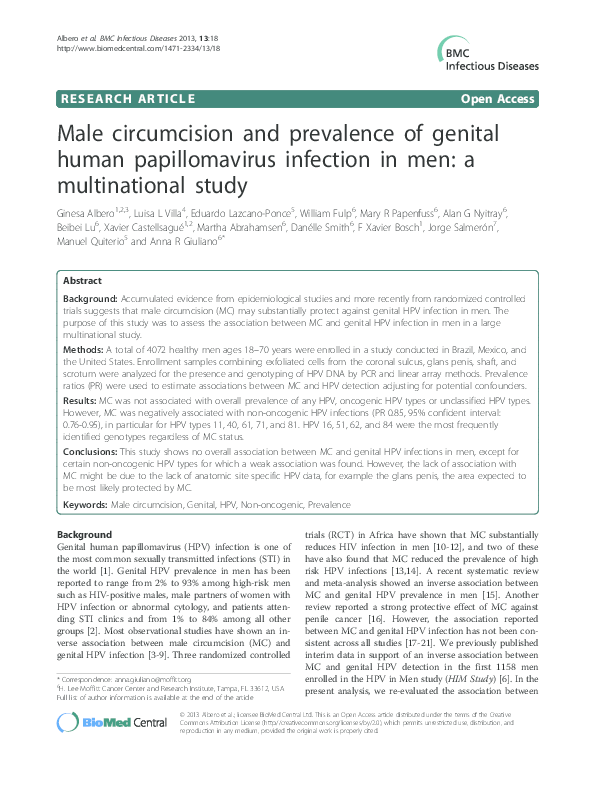
Detailed Description: Voluntary Medical Male circumcision (VMMC) is an effective strategy to reduce the risk of HIV acquisition in heterosexual men. Observational data and randomized controlled trails (RCTs) conducted in Africa (1,2,3) suggest that the procedure reduces the risk of HIV acquisition by % in heterosexual males Our systematic review of the current scientific evidence finds the protection afforded by early infant male circumcision against infections and other adverse medical conditions exceed risks by to 1 and that over their lifetime over 1 in 2 uncircumcised males will suffer an VMMC Research Proposal. ASSESSING THE UTILIZATION OF VOLUNTARY MEDICAL MALE CIRCUMCISION: A CASE STUDY OF TAFERANSONI ZONAL RURAL HEALTH CENTRE IN CHADIZA DISTRICT. A Research proposal submitted in partial fulfilment for the award of a Bachelors’ Degree in Environmental Health in the School of Science and Technology By Kenneth Daka Rusangu University Estimated Reading Time: 15 mins

No comments:
Post a Comment